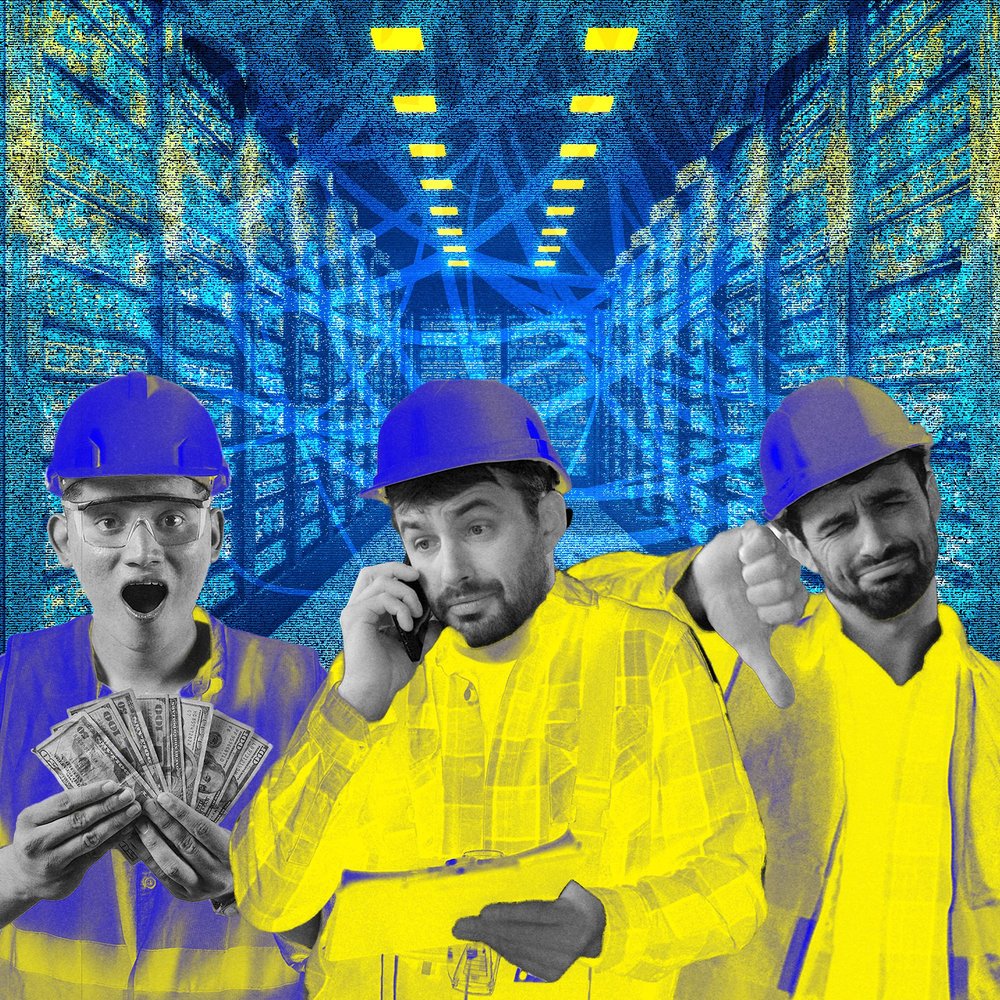
Electricians Weigh Ethics of Building Data Centers for Big Tech
As tech giants invest billions in data center construction, electricians are faced with a moral dilemma. While some see it as an opportunity for career advancement and a steady paycheck, others...
As tech giants invest billions in data center construction, electricians are faced with a moral dilemma. While some see it as an opportunity for career advancement and a steady paycheck, others question the ethics of contributing to the growth of Big Tech. The International Brotherhood of Electrical Workers (IBEW) argues that union labor is essential to the future of AI, and companies like Meta and Google are investing in training programs for skilled trades. However, some electricians are hesitant to work on data centers due to concerns about the impact on local communities and the potential for job losses. One electrician, who wished to remain anonymous, said he no longer discloses his profession on dates because it often leads to criticism. In contrast, another electrician, Ryan, has chosen not to work on data centers, citing concerns about corporate greed and the potential misuse of AI. The debate highlights the complexities of working in an industry that is driving technological innovation but also raises questions about the ethics of contributing to the growth of powerful corporations. As the demand for data center construction continues to grow, electricians must navigate these moral complexities and decide where they stand on the issue. Some argue that the work will be done regardless, and they might as well be the ones to benefit from it. Others believe that taking a stand against unethical projects is essential, even if it means turning down a paycheck. The conversation is ongoing, with some electricians advocating for union labor and better working conditions, while others prioritize their personal values and principles. Ultimately, the decision to work on data centers is a personal one, influenced by a range of factors, including career goals, financial needs, and moral convictions.